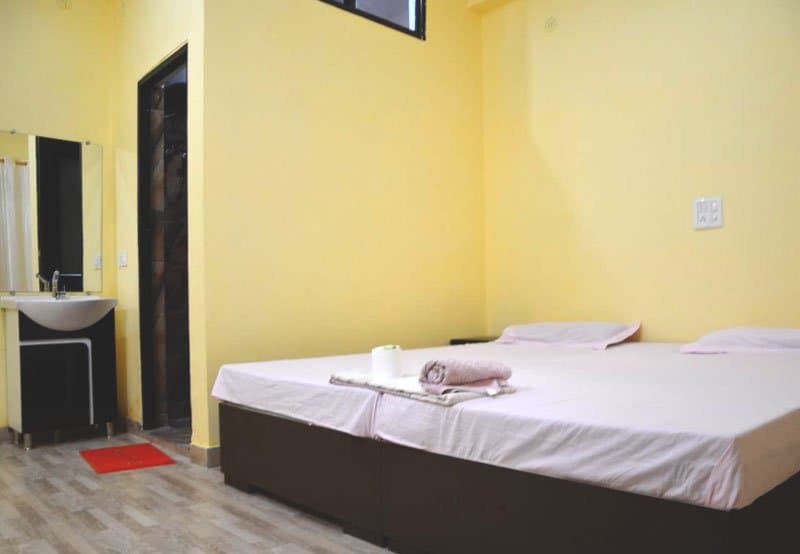
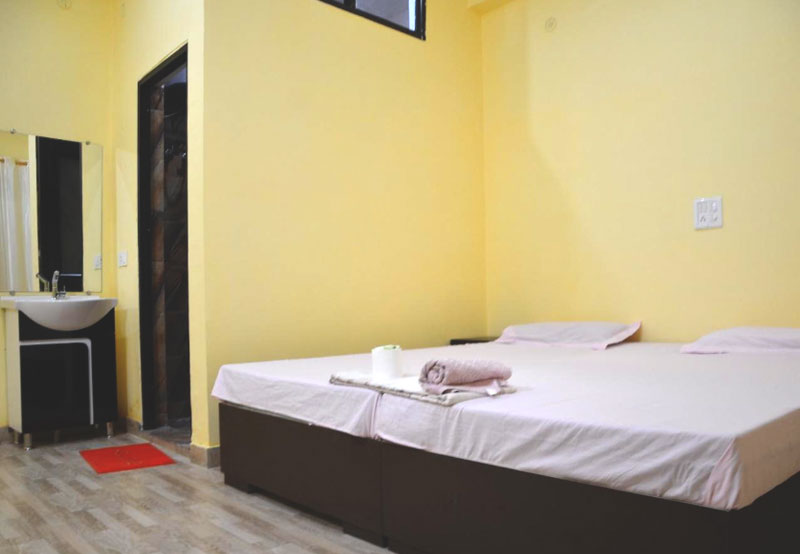
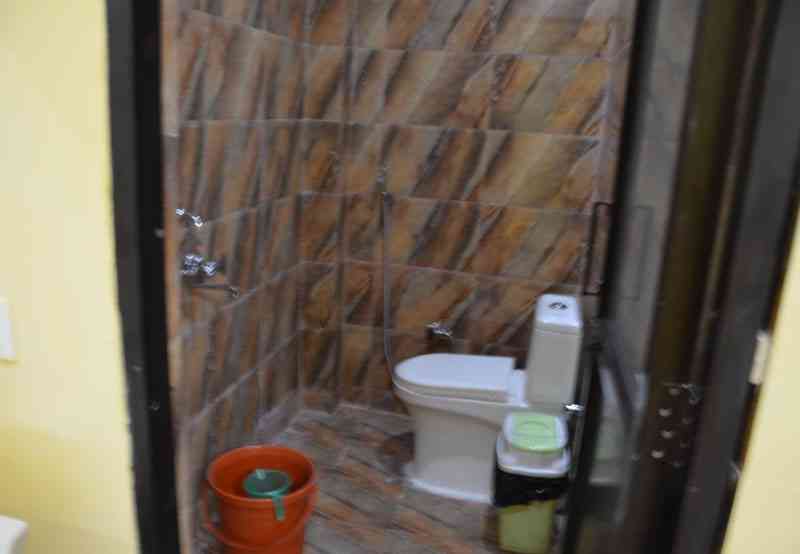
Students stay on-site in dorm, twin-shared or private rooms, each with an attached western-style bathroom, and eat sattvic vegetarian meals cooked in the school's own kitchen: two a day, brunch and dinner, on teacher training courses, and three a day on retreats. Men and women are housed in separate dormitories at the same price, filtered drinking water is available throughout the day, and wifi and a laundry service both cover the school. Exact pricing by room tier is set out on each course page.
The school sits on the quiet, northern edge of Laxman Jhula, where Rishikesh's market noise gives way to the sound of the Ganga and the hills above it. This page is deliberately unglamorous: it is a plain account of the rooms you will sleep in, the food you will eat each day, and the practical details, water, wifi, laundry, that decide whether a residential stay is comfortable rather than merely bearable. Nothing here is dressed up, because the students who read this page hardest are usually the ones weighing every rupee before they book.
Every course and retreat at Rishikesh Nath Yogshala offers the same three room tiers. The difference between them is mainly privacy: how many people you share with, and how much space is yours alone. Exact furnishings can vary a little room to room, so if a specific detail matters to you, ask about it when you book.
| Room tier | Beds | Bathroom |
|---|---|---|
| Dormitory | Shared, single-sex | Attached |
| Twin-shared | Two singles, one roommate | Attached |
| Private | One single or double bed | Attached |
None of these tiers is a hotel room, and none is meant to look like one. Rooms are simple and clean, built for a working residency rather than a resort stay. Storage, views and exact fittings differ from room to room, since the building was not built to a single uniform blueprint, so if something specific matters to you, a river or valley view for example, ask at the time of booking rather than assuming it.
Dormitories are single-sex. Men and women stay in separate dorms, and the price is identical for both, nobody pays more or less depending on which one they are placed in. If you are travelling with a partner or a friend and want to share a room, book a twin-shared or private room rather than a dorm bed.
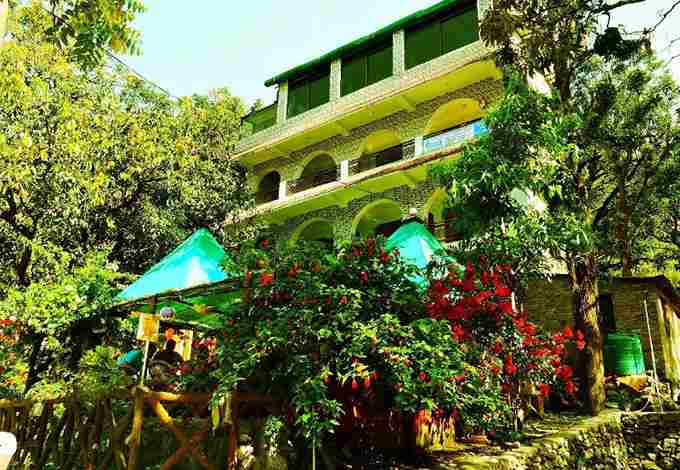
Food at Rishikesh Nath Yogshala is sattvic: simple, fresh, vegetarian and cooked to be easy on a body that is also doing two asana sessions and a full day of study. It is not seasoned to be forgettable, and it is not so heavy that an early pranayama class the next morning becomes a struggle. Meals are cooked in the school's own kitchen and served at fixed times each day, which is itself part of the discipline of a residential course, your body learns to expect food at the same hours it learns to expect a 5:30 wake-up.
On a teacher training course, a typical day runs on tea first thing in the morning, brunch once the early practice session ends, an afternoon tea, and dinner in the evening once the day's classes are done: two meals a day. Retreat guests eat three meals a day, with breakfast, lunch and dinner. Herbal tea is available between meals, and RO filtered drinking water is on tap throughout the building, so you are never relying on bottled water bought outside.
The table below is an example of the kind of food served, not a fixed schedule. The kitchen varies the actual menu day to day and season to season, based on what is fresh locally, so treat every dish named here as illustrative of the style of cooking, sattvic, vegetarian, home-style, rather than a guarantee of what will be served on any specific day.
| Day | Brunch / breakfast | Lunch (retreats) | Dinner |
|---|---|---|---|
| Monday | Porridge, seasonal fruit, herbal tea | Dal, steamed rice, mixed vegetable sabzi, chapati | Vegetable khichdi, curd, salad |
| Tuesday | Vegetable poha, herbal tea | Rajma, jeera rice, chapati, cucumber salad | Mixed lentil soup, chapati, sautéed greens |
| Wednesday | Idli or dosa with coconut chutney | Chana masala, steamed rice, chapati | Pumpkin sabzi, dal, chapati |
| Thursday | Muesli with milk or curd, banana | Palak paneer or a seasonal green sabzi, dal, rice | Vegetable pulao, raita |
| Friday | Stuffed paratha with curd | Mixed vegetable curry, dal, chapati | Soup, sprouts salad, chapati |
| Saturday | Upma, herbal tea | Kadhi, steamed rice, seasonal sabzi | Lauki or bottle gourd sabzi, dal, chapati |
| Sunday | Pancakes or a lighter breakfast spread | A slightly larger thali, since Sunday is the day off | Simple soup and salad, kept light before the week restarts |
Again: this is one example week, not a menu you can plan around meal for meal. The kitchen cooks what is fresh and available, so expect the specific dishes to differ from what is shown here.
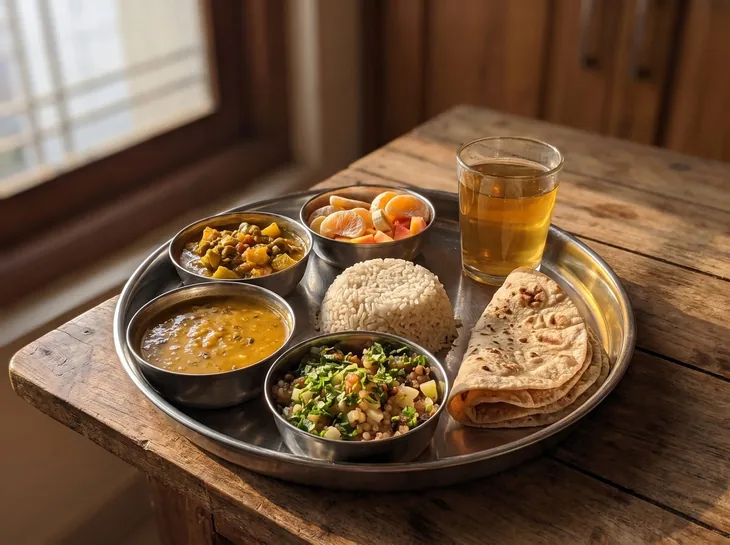
All meals at the school are vegetarian by default, and a genuinely vegan diet can usually be worked around, since so much of the sattvic menu is already plant-based, dal, rice, vegetable sabzis and chapati are naturally free of dairy once ghee and curd are left out. If you need gluten-free meals, rice-based dishes and most sabzis already fit, and the kitchen can plan around chapati and other wheat-based items if you let them know in advance. The one rule that matters here is timing: raise a vegan, gluten-free or allergy need before you arrive, in your booking enquiry or in the days before your batch starts, so the kitchen can plan for it rather than improvise on your first morning. A kitchen that knows in advance can accommodate you properly; a kitchen told at the breakfast table cannot always.
The things that make a residential stay comfortable are rarely the room itself, they are the everyday details around it. Here is where each one stands at Rishikesh Nath Yogshala.
What is not provided: this is a residential yoga school, not a hotel. There is no room service, no minibar and no daily turndown. Alcohol and non-vegetarian food are not served on the premises, in keeping with the sattvic philosophy the whole kitchen runs on. Personal toiletries beyond basic soap, a hair dryer and any specific brand of medication you rely on are not stocked, bring what you need or plan to buy it locally once you arrive. If you are unsure whether something you need will be available, ask before you book rather than assume.
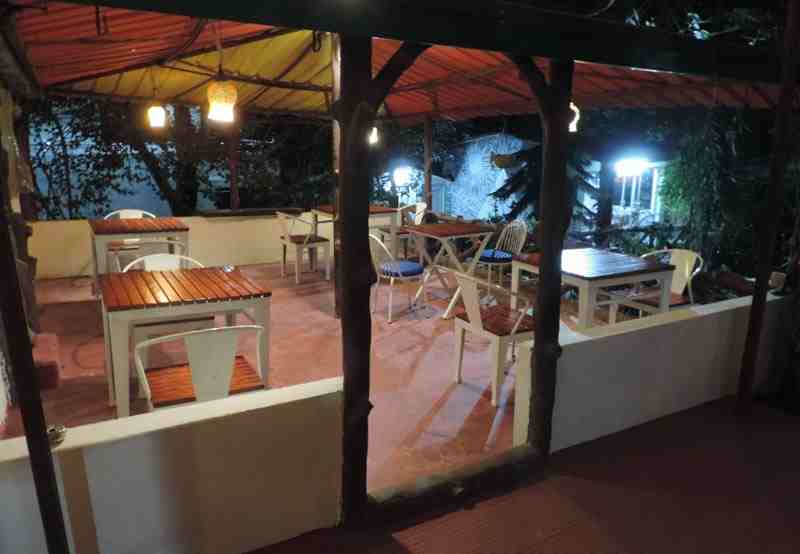
Laxman Jhula itself is a short walk from the school, a busy stretch of market lanes with general stores, cafes, bakeries and currency exchange or ATM options for topping up cash. It is not an isolated retreat compound with nothing around it; you can walk into town for a coffee, a souvenir or a SIM card on a free afternoon without needing transport arranged for you. Sunday, the day off, is when most students actually use this, walking the market, sitting by the Ganga, or simply resting after a run of early starts.
Retreat guests eat exactly the same sattvic menu as teacher trainees; food is not a lesser version of the course experience for a shorter stay. If a retreat rather than a full teacher training is what you are considering, see the yoga retreats in Rishikesh for what each length covers.
Yes. Dormitories are single-sex, with separate rooms for men and women, and both are priced exactly the same. Nobody pays more or less depending on which dormitory they are placed in.
Every room, whether dorm, twin-shared or private, has an attached western-style bathroom with a shower and somewhere to store your clothes and belongings. Wifi covers the building and a laundry drop-off point is on-site.
Hot water is generally available, typically mornings and evenings, which matters most during the cooler months. Arrangements can vary, so if this is important to you, confirm the current setup when you book.
In most cases, yes. The sattvic menu is already largely plant-based, and dishes can be adapted for a vegan or gluten-free diet, or for a specific allergy, if you tell the kitchen before you arrive. Raising it on the first morning gives the kitchen far less to work with than raising it during booking.
Yes. Drinking water throughout the school is RO filtered and available on tap at all times, so there is no need to buy bottled water during your stay.
Wifi covers the school, including guest rooms. It is reliable enough for messaging, calls and coursework; like most rural connections in the Himalayan foothills, speeds can vary, so it is worth setting expectations accordingly if you plan on heavy video streaming.
Yes, there is an on-site laundry drop-off service, so you are not hand-washing yoga clothes in a sink after a full day of practice. Ask about current turnaround when you drop items off.
Yes. Laxman Jhula's market is a short walk away, with general stores, cafes and ATM or currency exchange options, so you are not cut off from everyday essentials between classes.
Ask us anything about dates, fees or what to bring — we usually reply within a few hours.
